


How Regaine Works: What 6 Months Actually Looks Like

Six months. That figure is stamped across most Regaine packaging and most online advice about it. What almost nobody explains is what those six months actually feel like, week by week, and that gap between the promise and the lived experience is exactly why so many people quit around week eight, right before anything visible happens.
On this page:
- What Regaine is
- How it works on the scalp
- The realistic month-by-month timeline
- Why results vary so much between people
- What this guide does not cover
- FAQs
What Regaine is
Regaine is the UK and Ireland brand name for topical minoxidil, sold as a 5% solution and a 5% foam for men, and a 5% once-daily foam for women. It is the same active drug sold under other brand names elsewhere in Europe and in unbranded generics. The men's line reaches European buyers under its original name now, so what you will actually put on the shelf is the Rogaine 5% solution or the Rogaine 5% foam, both of which are on pre-order at present with delivery expected mid-September, and our page on Rogaine versus Regaine explains why the two names describe one product.
What Regaine offers specifically is the original clinically tested formulation with a long manufacturing record, which is a large part of why it costs more than generic equivalents. A higher price does not mean a faster or stronger result, only a different manufacturer behind an identical dose of the same drug.
How it works on the scalp
Minoxidil does not target the cause of pattern hair loss. It works downstream of it. Applied to the scalp it is thought to shorten the resting phase of the hair growth cycle and extend the active growth phase, while improving blood flow to the follicle. The practical effect is that follicles which had been shrinking and producing finer, shorter hairs are encouraged to spend longer producing thicker ones. DermNet's overview of topical minoxidil sets out the mechanism in more detail.

Minoxidil does not cure the underlying process driving male or female pattern hair loss. It manages it for as long as you keep using it, which is worth understanding before you start rather than at month six. DermNet's page on male pattern hair loss describes the process it is working against.
The realistic month-by-month timeline
| Timeframe | What is typically happening |
|---|---|
| Weeks 1 to 2 | No visible change. Some people notice increased shedding as resting hairs are released to make way for new growth. |
| Weeks 3 to 8 | Shedding usually settles. Still little to no visible new growth, and this is the phase most people give up in. |
| Months 2 to 4 | Fine, short vellus hairs may start appearing in thinning areas. Not yet a visible difference in photographs for most people. |
| Around month 4 | The point by which DermNet notes visible regrowth typically becomes apparent, if it is going to. |
| Months 4 to 6 | Hairs already growing continue to thicken and lengthen. A genuine before-and-after comparison becomes meaningful here. |
| Beyond month 6 | Results plateau. Continued daily use maintains them; stopping returns the scalp to its pretreatment pattern within three to four months. |

That last row matters more than most marketing admits. This is a maintenance treatment rather than a course with an end date.
One practical thing that does not appear on the packaging: photograph the same area under the same lighting at the start and then monthly. Memory is a poor judge of gradual change, and most people underestimate both what they have gained and what they would lose by stopping. Our page on the shedding phase covers the part of this timeline that causes most of the quitting, and our month-by-month breakdown of how long minoxidil takes to work sets the same expectations for generics.
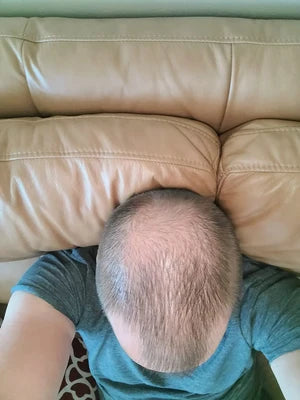
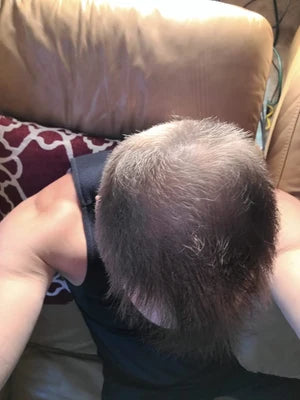
Customer progress photos, Regaine user. Results vary. See more on our reviews page.
Why results vary so much between people
Two people using the same product, at the same strength, applied correctly, can see genuinely different outcomes. That is not a failure of the product and it is worth understanding before you judge your own result.
The variable is how many follicles are still capable of responding. Minoxidil can prompt a follicle that is shrinking back toward a fuller cycle. It cannot revive one that has scarred over or stopped producing entirely. The further along the process is when you start, the fewer follicles there are to work with, which is why starting earlier tends to give better odds than starting late.
Consistency is the second variable and the one you control. Gaps in application reset progress in a way that is easy to underestimate, and applying the product to hair rather than scalp means much of the dose never arrives. If six months have produced nothing, our page on what to check first works through the seven usual causes before concluding you are a non-responder.
What this guide does not cover
Three questions come up constantly alongside this one, and each has its own page rather than a paragraph here.
- Which Regaine product to buy, solution or foam, and what each costs per month, is covered in our guide to choosing a Regaine product for men.
- What can go wrong, from scalp irritation to the effects that mean stopping the same day, is covered in our guide to minoxidil side effects, common versus rare versus serious.
- Why generic 5% minoxidil costs a fraction of the branded price is covered in why Kirkland costs less than Regaine.
For women, the dosing schedule differs rather than just the packaging, and our page on whether 2% or 5% is right for women covers the timeline from that starting point.
FAQs
How long does Regaine take to start working?
Most people see no visible change for the first two to three months. Fine new growth can appear from around month two to four, with a more noticeable difference typically by month four to six.
Is the initial shedding normal?
For many people, yes. It usually reflects resting hairs being released to make way for new growth and settles within a few weeks. Heavy shedding continuing well beyond that is worth raising with a pharmacist or doctor.
What happens if I stop using it?
Hair gained is generally lost again, with the scalp returning to its pretreatment appearance within three to four months.
Why has it worked for someone I know and not for me?
How many follicles remain capable of responding differs between scalps, and it depends heavily on how far the process had progressed before you started.
Should I judge it at three months?
No. Three months is inside the quiet phase where growth is happening below the surface. Four is the earliest fair assessment and six is better.
Continue reading
More guides from the Hairdealz blog.


Ready to put it into practice?
Every order is covered by our 120-day money-back guarantee.
Leave a comment